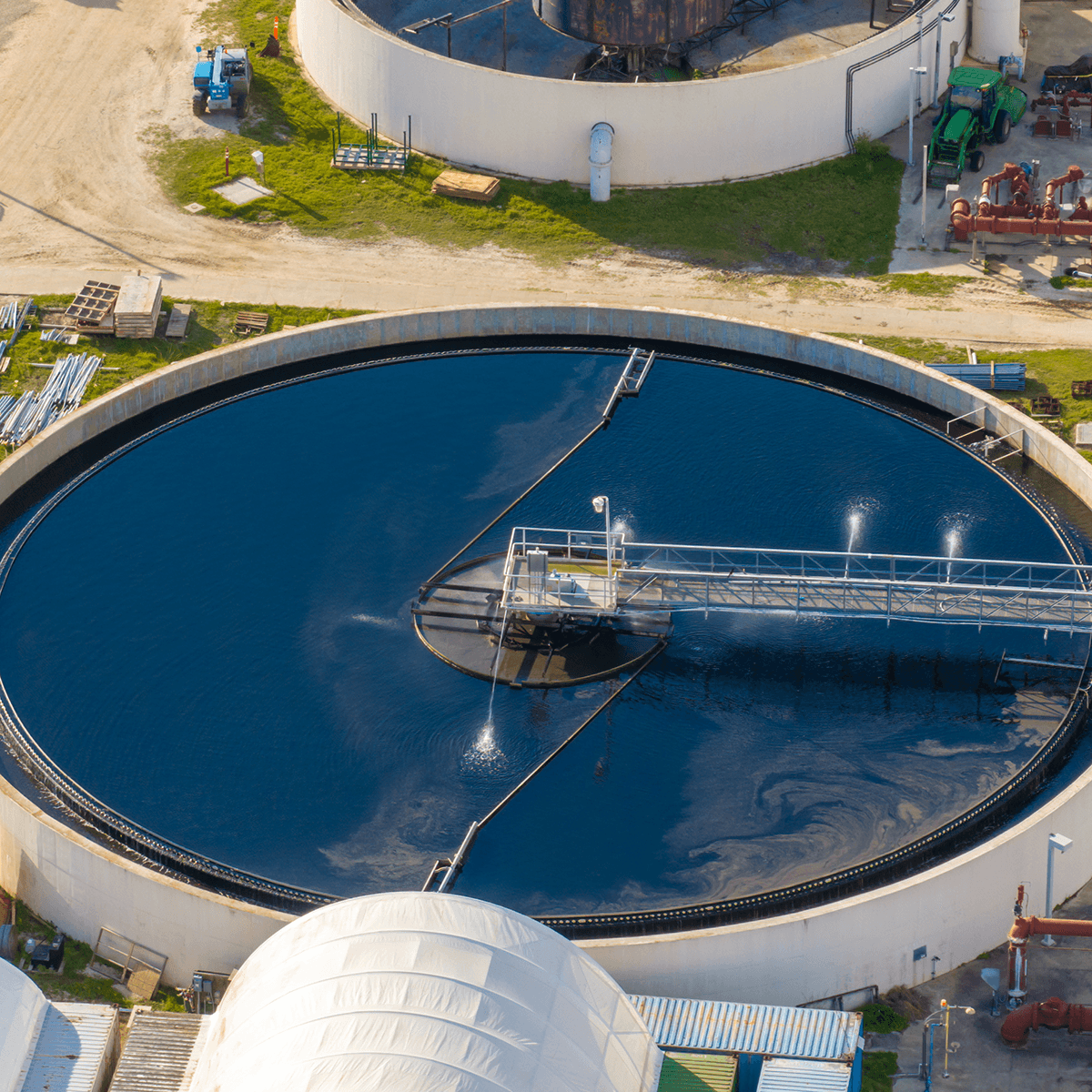
One council. A connected view of every asset.
Connect roads, buildings, parks, fleet, water infrastructure and IT with the work that keeps community services running. Lucendus brings asset records, resident requests, field activity and inspection evidence into a shared operational view.
Community services cross departmental boundaries.
Assets spread across systems
Infrastructure, facilities, fleet and IT teams often maintain separate records. Answering a council-wide question about condition or planned work becomes a reconciliation exercise.
Requests separated from the work
A resident's report may arrive by phone while the inspection and repair are recorded elsewhere. Following it from intake to resolution takes additional coordination.
Evidence gathered at the last minute
Inspection photos, certificates and completion records are harder to use when they are held in inboxes or individual folders instead of against the asset.
Join up the record, the request and the repair.
Support customer service, field crews and asset planners with a common history of what the council owns and what has happened to it.
A council-wide asset hierarchy
Organise infrastructure, facilities, fleet and IT in a shared hierarchy. Keep condition and valuation fields alongside location and service history so operational teams and finance can work from connected records.
Resident requests linked to assets
Capture community reports from a portal, email, phone or SMS. Triage the request against the relevant asset, assign the work and retain a response-time record through to closure.
Field records that return with the crew
Give teams mobile access to inspections and work orders. Capture findings and completion details offline, then sync when coverage returns so work in the field becomes part of the council's record.
Evidence ready to assemble
Keep inspection photos, certificates and completed work against assets. Bring those records together for audit preparation, grant acquittals and internal reporting without starting a new search each time.
A resident reports damage in a local park.
Customer service links the report to the affected asset and routes it to the responsible team.
The field crew records the inspection, photographs the damage and completes or schedules the repair. If the site has limited connectivity, the crew captures the details offline and syncs them after returning to coverage.
The completed work stays with the original request and asset history. Customer service can follow the resolution, while asset planners can use the inspection evidence and repair history when reviewing future maintenance.
Keep location and finance in the picture.
Scope connections to GIS and Esri systems, Xero or Odoo, Lansweeper, Microsoft Intune and 365mesh sensors. The REST API provides a route to other council systems. Agree asset identifiers, location mapping and the records each system will maintain as part of the rollout.
Start with a workflow your team knows.
Choose a service area
Start with a park network, facility group or fleet team. Identify a resident-request or maintenance workflow that crosses departments.
Link the teams and their evidence
Bring in the relevant assets, define ownership and inspection records, and configure request intake and field completion.
Build a repeatable approach
Review response records and evidence quality with the participating teams before extending the model to more services.
Bring a council workflow into focus.
Show us how a request moves from a resident to your field team today. We can explore a connected approach using your asset structure.